
Preparing Your Small Business for Tax Season: An HR Guide
AB
Understanding the Importance of Tax Season Preparation
Tax season can be a challenging time for small businesses, but with the right preparation, it can be managed effectively. As an HR professional, your role in ensuring a smooth tax season is crucial. By staying organized and informed, you can help your business avoid unnecessary stress and potential penalties.
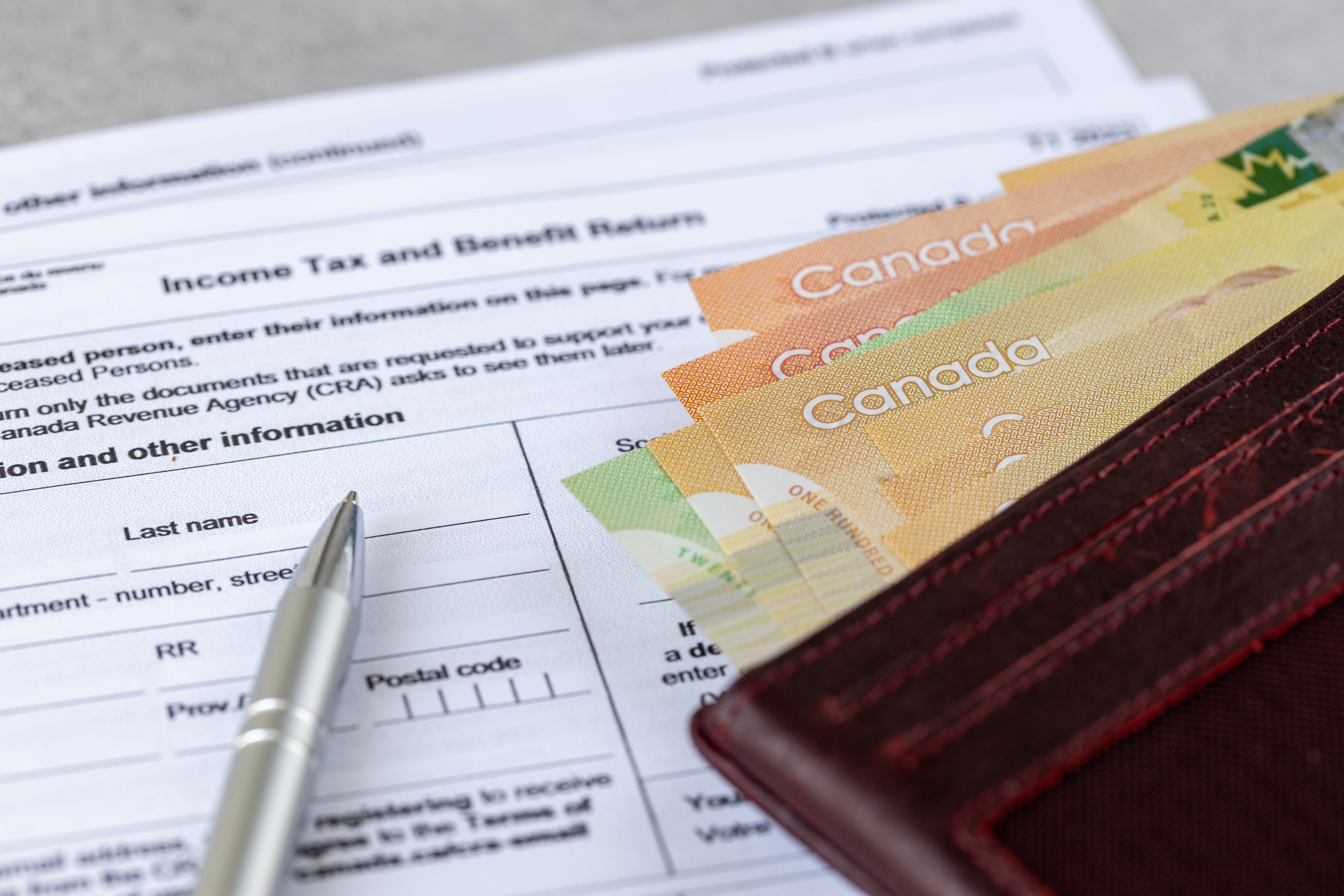
Organize Employee Records
One of the first steps in preparing for tax season is organizing employee records. Ensure that all personal information, such as Social Security numbers and addresses, is up to date. This will help prevent issues when filing W-2 forms and other tax-related documents. Consistent record-keeping can save time and reduce errors.
Utilize HR Software
Investing in HR software can streamline the process of managing employee records. These tools can automate data collection, track changes, and generate reports, making it easier to compile necessary information for tax filings. Consider software that integrates payroll and tax functionalities for added efficiency.
Review Payroll Procedures
Accurate payroll processing is essential during tax season. Review your payroll procedures to ensure they comply with current tax laws and regulations. This includes verifying tax withholding amounts and ensuring timely deposits. Proper payroll management minimizes the risk of incurring fines or facing audits.

Stay Informed on Tax Law Changes
Tax laws can change frequently, and staying informed is vital for compliance. Subscribe to updates from reliable sources such as the IRS or professional HR organizations. This knowledge will empower you to adjust your processes accordingly and advise your team on any necessary changes.
Communicate with Your Team
Effective communication with your team is key during tax season. Provide employees with clear instructions on submitting any required documents and inform them of important deadlines. Hosting a tax preparation workshop or sending informative emails can also help employees understand their responsibilities.
Encourage Employee Questions
Create an open environment where employees feel comfortable asking questions about tax-related matters. This will help clear up any confusion and ensure everyone is on the same page. Consider designating a point person in HR to handle inquiries and provide guidance.

Consult with Tax Professionals
While HR can manage many aspects of tax preparation, consulting with tax professionals can provide additional expertise. They can offer insights into complex issues and ensure that your business is fully compliant with all tax obligations. Building a relationship with a trusted tax advisor can be invaluable.
Plan for Future Tax Seasons
After the current tax season concludes, take time to evaluate what worked well and what could be improved. Implement any necessary changes to your processes and document them for future reference. Continuous improvement can lead to a more efficient and stress-free tax season each year.